


Investing is the way you take your savings and begin making it work for you. When you invest wisely, you will begin to build wealth, because you are using your money to earn additional money.
If you have never invested before, it can be intimidating because there are a number of investing options, and you may not know when or how to start. However, you should not let this stop you from investing.
There are tools and resources designed to help make investing easier.
Why Should I Invest?
Most savings account interest rates are not even earning enough to keep pace with the rate of inflation. This means that by leaving your money in the bank, you are not planning ahead, and over time the money you do have will lose its relative value.
However, when you invest wisely, you can earn a higher rate of return on the money. If you invest consistently, you will reach a point when the interest earned by your investments is greater than what you are contributing each month. When you do reach this point, you will begin building wealth much more quickly.
If you want to retire early, you need to invest outside of your retirement account options, as well as in your retirement accounts. This will give you access to money that you can live on before you qualify to withdraw funds from your retirement accounts.
And if you are interested in setting up a trust for someone or building enough wealth to live off of without working, you will need to do it through a series of investments.
Should I Use a Financial Advisor?
If you have never invested money before, it is best to use a financial advisor. A good financial advisor will recommend different types of investments and help you to diversify your portfolio.
You need to understand if your advisor is paid on commission for selling you investments or if he is paid a consulting fee. This can help you understand why he is making some of the recommendations that he is so you can choose more wisely.
You can find a financial advisor by looking at investing firms or through your bank. However, you want to find someone that you can trust and that you work well with. One of the options is to ask friends and family members for their recommendations. This will make it easier for you to find a good pool to look at.
After you have a list, you need to interview each of the people to see if he would be a good fit for you. A good financial advisor will be willing to explain the risks of each investment, as well as the load fees and annual fees for each investment.
Types of Investments
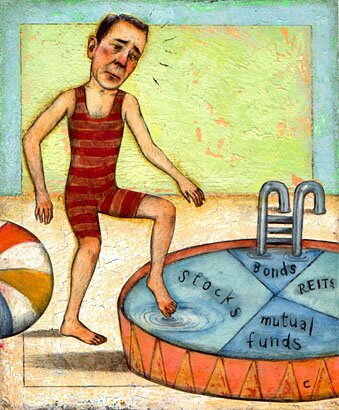
There are a number of investments that you can choose from when you are investing. Each will have a different rate of return and different risks associated wit the investments. As you consider the investments and the rates of return, you should remember that a good portfolio is diversified.
- Single Shares: Single shares are shares or stocks in just one company. These investments have the greatest individual risk, because if the company goes out of business or is taken over by another company, you can lose all of the money in the investment. You may be paid dividends each quarter if the company is doing well. You can have single shares in your portfolio, but you should never have all of your money invested in a single company.
- Mutual Funds: Mutual funds invest in several different companies across the board. They spread the risk since they are investing in several different companies. If one company were to go down, you may lose some of the value of the investment, but you would not lose it all. Mutual funds pay dividends. They also charge annual fees and load fees. It is important to consider these fees and the average rate of return on the fund when choosing a mutual fund.
- Index Funds: Index funds are similar to mutual funds since they spread the risk over several different stocks. However they mimic an index in their investing strategy, so if they were imitating the Dow Jones, they would buy shares of stock in all of the companies listed on the index. They have similar fees and rates of return as mutual funds.
- Annuities: Annuities are a type of investment that provides a fairly guaranteed rate of return. An annuity is an investment where you pay a lump sum in, and then you schedule payment s to come back. The fees are often higher than with other investments, and you can choose a fixed or variable annuity. This may be a good option once you are retired and want to plan on receiving set payments each month.
- Property: Real estate is a good investment, and one that you should consider adding to your overall portfolio. You should build your property portfolio by making purchases with cash. You will need to make sure you have adequate insurance and that you are following the ordinances and laws surrounding rentals in your area. Many people choose to have rental management firm handle the rental to take away the hassle. You can also handle it yourself. You will need to have money set aside to handle repairs and to cover the months you do not have a tenant.
This is just a short list of common investments you can make. Other common investment vehicles include commodities, FOREX, bonds, futures, etc.
Choosing Your Investments
When you begin investing, you may start with just one mutual fund, but as you begin growing your savings, you will want to choose more options. When you are younger, you can make more aggressive investment decisions, because you will have the opportunity to recover if the stock market goes down.
Once you are closer to retirement age, or you plan to live off of your investments, you need to make more conservative options like an annuity that provides a steady stream of income with a lower risk factor.
When you are choosing your investments, you should also consider the fees that you are paying each year. Shares have fees when you purchase them, usually commissions to the broker. Mutual funds and index funds also have these fees, but they also have annual fees that help cover the operational costs of owning the funds.
It is important to take these fees into consideration when choosing a fund. You want to choose a fund with low fees but high rates of return.
You should also consider the history of the fund, and see if the same people are still managing the fund. You can look at the average returns on the fund for the last several years to see if it has performed well. You want to fund with a good track record, which means that the funds manager understand the market and economy.
However, funds mangers can change, and you should also check to see if this has happened recently. If the management has changed, the funds may not bring in the same rates of return as before.
Remember to Diversify
When you are investing, it is important to remember to diversify your investments. This just means that you should not have all of your money in the same fund or the same stock. It helps to diversify across different types of stocks as well. You do not want to have all of your money invested in just the electronic industry.
The more diverse your portfolio, the more you spread out your risk, which means that you are more secure. You may also consider rental property, as you get older, as this is a fairly safe investment that you can sale to raise cash later on.
You can become too diversified, which makes it difficult to manage your investments. Mutual funds or index funds make it easier to diversify since they are already spreading your risk.
However, you will want to invest in a few funds and not just one in case one fund does not do as well. If you have stocks in a lot of individual companies, it may be difficult to track everything on your own. A financial advisor can help, but you wan to keep things fairly simple instead of making things too complicated.
Riding Out the Market

When you are investing, it is important to remember that the market will go up and down. The key is to ride out the market conditions and not to panic when the market goes down.
The market does recover over time, and you can make back any money you lose if you do not panic and pull all of your money out of the market right away. You should not invest money that you know you will need to access in the next five years, because it may not be available when you need it. Instead put that money in a savings account that you can access at another time.
If you panic and pull out when the market is low, you may end up losing your money. This is one of the reasons why it is helpful to have a financial advisor that can talk you out of making any rash decisions when the market is going up and down.
